

Model railroading is a rewarding hobby that combines creativity, craftsmanship, and a love of trains. Whether you’re drawn to the nostalgia of steam locomotives or the precision of modern freight operations, there’s a place for you in this vibrant community. Here’s everything you need to know to get started on your model railroad journey.
Step 1: Choose Your Scale
The first decision you’ll make is selecting a scale—the size ratio between your models and real trains. Each scale has its own advantages:
- N Scale (1:160): Compact and space-efficient, perfect for apartment dwellers or those wanting expansive layouts in limited space
- HO Scale (1:87): The most popular scale, offering the best balance of detail, availability, and space requirements
- O Scale (1:48): Larger models with impressive detail, ideal if you have dedicated space and enjoy hands-on operation
- Z Scale (1:220): The smallest scale, allowing complete layouts in very small spaces
For most beginners, HO scale is recommended due to its wide selection of products, reasonable space requirements, and excellent detail.
Step 2: Start with a Quality Train Set
A good starter set includes everything you need to run trains right away:
- Locomotive (diesel or steam)
- Several freight or passenger cars
- Oval of track
- Power pack or controller
- Basic instructions
Look for sets from reputable manufacturers like KATO, Bachmann, or Atlas. These companies offer reliable products that will serve you well as you grow in the hobby. Avoid the cheapest sets—investing a bit more upfront ensures better performance and less frustration.
Step 3: Plan Your Space
You don’t need a basement to enjoy model railroading. Consider these options:
- 4×8 Sheet: The classic beginner layout size, fits in a spare bedroom or garage
- Door Layout: A hollow-core door (about 30″ x 80″) makes an excellent narrow layout
- Shelf Layout: Wall-mounted shelves can host linear switching layouts
- Modular Sections: Build portable sections that can be set up and stored as needed
Start small and expand as your skills and interest grow. It’s better to complete a small layout than to abandon an overly ambitious project.
Step 4: Learn the Basics of Track Planning
Good track planning makes the difference between a frustrating layout and an enjoyable one:
- Minimum Radius: Use the largest radius curves your space allows for smoother operation
- Grades: Keep inclines gentle (2-3% maximum) to prevent stalling
- Turnouts: Plan switching opportunities to add operational interest
- Continuous Run: Include a loop or return track so trains can run continuously
Free track planning software like SCARM or AnyRail can help you visualize your layout before buying materials.
Step 5: Build a Solid Foundation
Your layout needs a stable base:
- Benchwork: Use plywood, foam board, or hollow-core doors as your layout surface
- Roadbed: Cork or foam roadbed under your track reduces noise and looks more realistic
- Track: Secure track with small nails or adhesive, ensuring smooth joints between sections
- Wiring: Plan your electrical blocks and feeders to ensure reliable power throughout
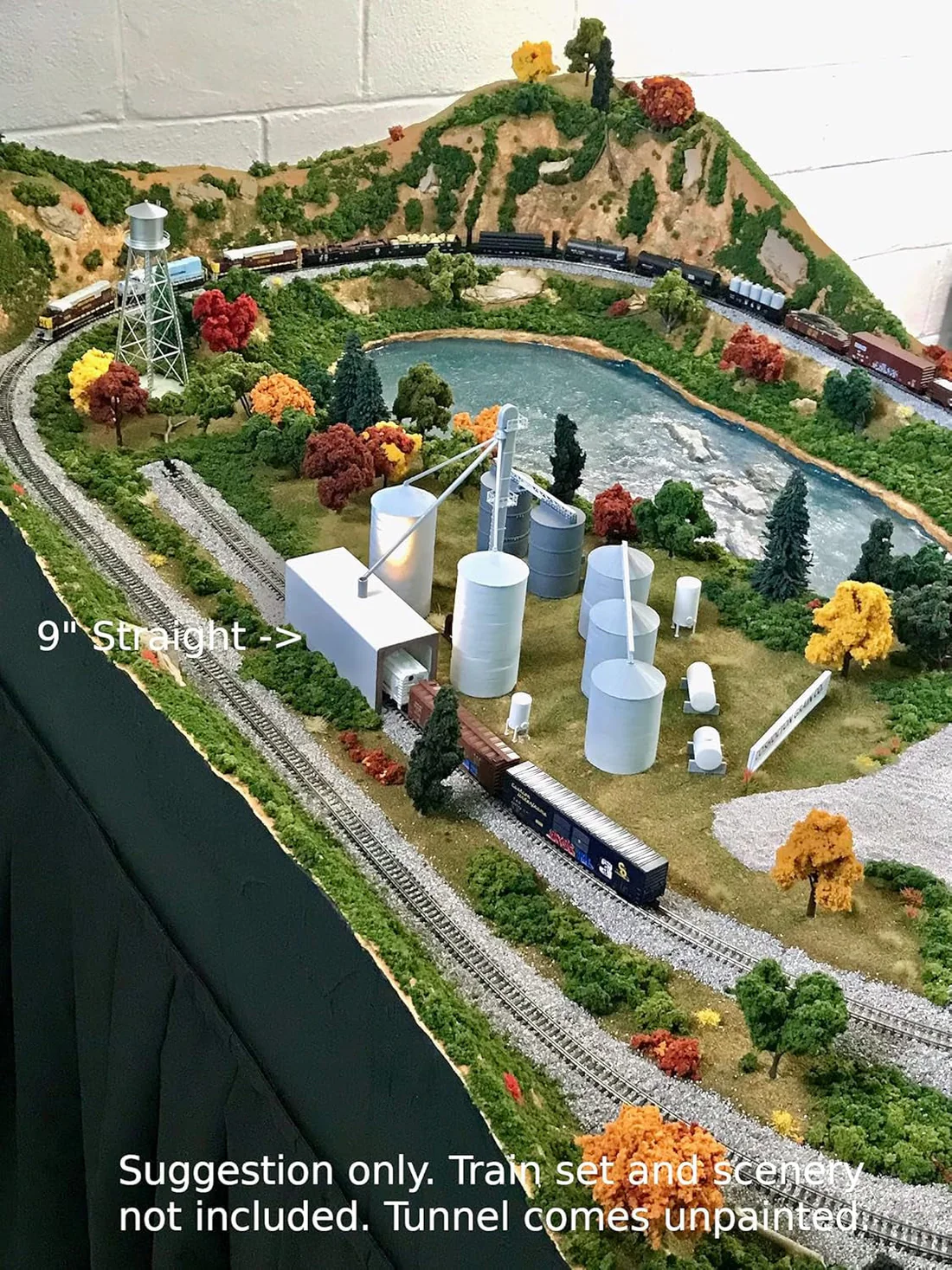
Step 6: Add Scenery Gradually
Don’t feel pressured to complete scenery immediately. Many modelers enjoy running trains on bare plywood while they learn. When you’re ready:
- Start with basic ground cover and ballast
- Add simple structures like stations or industries
- Plant trees and vegetation
- Weather and detail as your skills develop
Scenery is where your creativity shines—there’s no single right way to do it.
Step 7: Join the Community
Model railroading is more fun when shared:
- Local Clubs: Find clubs through the NMRA (National Model Railroad Association) or hobby shops
- Online Forums: Communities like The Railwire, Model Railroad Hobbyist, and Reddit’s r/modeltrains offer advice and inspiration
- YouTube Channels: Countless creators share tutorials, reviews, and layout tours
- Train Shows: Attend local shows to see layouts, buy equipment, and meet fellow enthusiasts
Essential Tools and Supplies
Build your toolkit gradually. Start with these basics:
- Track cleaning supplies (bright boy, track cleaning car, or cleaning fluid)
- Small screwdrivers and hex wrenches
- Wire cutters and strippers
- Hobby knife and cutting mat
- White glue and CA (super glue)
- Basic paint and brushes
Budget Considerations
Model railroading can fit almost any budget:
- Starter Investment: $150-300 for a quality train set and basic supplies
- Layout Materials: $200-500 for benchwork, track, and basic scenery materials
- Ongoing: Set a monthly budget for new rolling stock, structures, or scenery supplies
Buy quality over quantity—one well-detailed locomotive is more satisfying than several cheap ones. Watch for sales, estate sales, and train shows for deals on used equipment.
Common Beginner Mistakes to Avoid
- Starting too big: Begin with a manageable layout you can actually complete
- Skipping track testing: Test-run all track before securing it permanently
- Poor lighting: Ensure adequate lighting for both operation and construction
- Rushing scenery: Take time to learn techniques before tackling major scenic projects
- Ignoring maintenance: Keep track clean and locomotives lubricated for reliable operation
Your First Operating Session
Once your basic layout is running, try these activities:
- Continuous Running: Simply watch trains circle your layout—it’s relaxing and helps identify track problems
- Switching Puzzles: Set up industries and practice spotting cars in specific locations
- Timetable Operation: Run trains according to a schedule, adding realism and purpose
- Prototype Modeling: Research and recreate actual railroad operations from a specific time and place
Resources for Learning More
- Model Railroader Magazine: The industry standard publication with techniques and inspiration
- NMRA: Offers standards, educational resources, and achievement programs
- Local Hobby Shops: Staff can provide personalized advice and hands-on help
- Books: Kalmbach Publishing offers excellent how-to books on every aspect of the hobby
Final Thoughts
Model railroading is a journey, not a destination. Don’t worry about creating a perfect layout immediately—focus on learning, experimenting, and enjoying the process. Every modeler started as a beginner, and the community is welcoming to newcomers.
Start with a simple setup, run some trains, and let your interests guide your next steps. Whether you’re drawn to realistic operations, detailed scenery, collecting vintage equipment, or simply watching trains run, there’s room for your vision in this hobby.
The most important step is the first one—so pick up that starter set, clear some space, and begin your model railroading adventure today. Welcome aboard!
https://www.building-your-model-railroad.com/model-railroading.html
https://www.trains.com/mrr/beginners/model-railroading-the-beginners-guide/