

The True Cost of Building a Layout
Walking into a room with a beautiful model railroad is an amazing feeling. You instantly want to buy every cool train, building, and track accessory you see on the shelves. However, buying random items usually leads to a messy pile of parts that do not work together. To save your hard-earned cash, you need a smart plan before shopping for ho scale train supplies. True shopping success means checking if parts actually fit together before spending your money.
Smart shoppers know when to spend money on good track and when to save cash on little details. Many beginners spend too much money on plastic trees and tiny buildings while buying cheap, low-quality tracks. This mistake causes endless frustration when an expensive train stalls on bad track sections. Turning your focus to sturdy tracks and good wiring changes everything. Let us look at the best ways to pick gear that works perfectly without breaking your bank account.
Make a Solid Plan Before You Buy
Writing down a simple list of your needs saves you lots of money later on. Choose the era you want to show and measure your track corners before you go shopping. If your layout has tight, sharp corners, buying very long passenger cars or huge steam engines will cause constant derailments. Knowing your track limits prevents you from buying trains that will just sit in a box unused.
Breaking your purchases into steps keeps your budget safe. Spend your early money entirely on strong wood frames, smooth roadbeds, and high-quality nickel-silver tracks. You can buy the scenery, cars, and miniature people later when your tracks run perfectly without a single stop. A small, smooth-running loop brings much more joy than a giant layout that constantly stalls.
How to Read Box Labels and Avoid Old Gear
Train manufacturing has changed a lot over the years, creating different styles of gear. Very old trains often have thick metal wheels that bump against the plastic ties on modern tracks. Checking the age of the gear prevents major mechanical headaches. Look for boxes that mention modern wheel standards, which mean the train will roll smoothly on today’s tracks.
Motor styles also matter a lot when you are shopping. Older engines contain big, heavy motors that use up too much electricity. These old power plants can easily overload a modern digital controller or burn out delicate internal chips. Modern trains use small, enclosed motors that run quietly and use very little power. These newer motors allow your trains to crawl smoothly at slow speeds through your railyard.
How Do You Spot Good Quality Trains?
Have you ever wondered why two model freight cars look identical but have totally different prices? The secret is usually hidden inside the car body where extra weight changes how it rolls. Good freight cars have a heavy metal weight built into the floor to keep them from tipping over on corners. Cheap cars are often too light, causing them to wobble and fall off the tracks during quick stops.
Easy Signs of a Good Freight Car
- Metal Wheels: Real metal wheels roll much smoother and keep your tracks cleaner than cheap plastic wheels.
- Body Couplers: Having the couplers screwed directly to the car frame allows you to back up your trains without them twisting off the rails.
- Separate Details: Tiny, individual plastic ladders and roof walks look much better than details that are molded into the plastic body.
- Smooth Axles: Metal axle points sitting in smooth plastic slots minimize friction so your engine can pull more cars at once.
Save Money by Buying with Friends
Joining a local train club is a fantastic way to cut your building costs. Buying items like track packs, wiring spools, and glue in large amounts drops the price significantly. Club members often split the shipping costs evenly, saving everyone cash on heavy items like foam layout boards. This team approach lowers your starting costs, leaving you with more money for a nice locomotive.
Also, experienced modelers always know when manufacturers are releasing new items or stopping old product lines. Companies usually make trains in single batches that sell out quickly. Staying connected with other hobbyists helps you reserve essential items early, keeping you from paying double on auction websites later on.
Is Buying Used Trains Worth the Risk?
Buying pre-owned trains at flea markets or online garage sales looks like an easy way to grow your fleet. However, used items often have hidden damage that costs a lot to fix. A cheap engine might have worn-out motor gears or broken internal wires. If you cannot test the engine on a live track before handing over your cash, walk away.
Simple Steps for Inspecting a Used Train
- Look for Frame Damage: Check the metal chassis for any weird warping, cracks, or swelling.
- Check the Wheel Faces: Avoid engines with heavily scratched or dirty wheels that will lose electrical contact.
- Test the Moving Parts: Roll the engine gently with your hand to feel for any rough clicks or jams in the gears.
- Look for Missing Parts: Make sure small details like horns, plastic steps, and window glass are still attached.
Smart Ways to Stock Up on Repair Parts
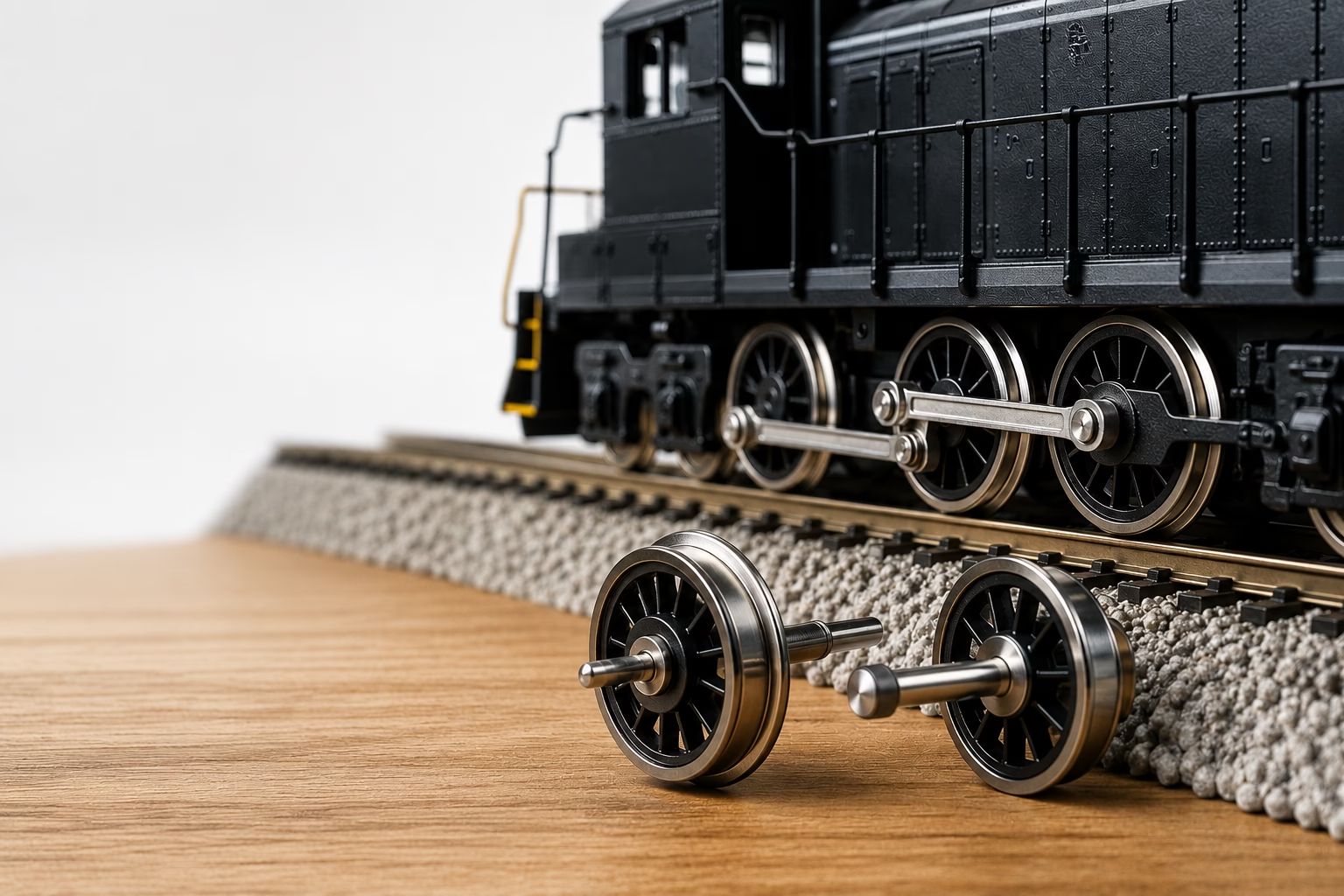
Keeping your railyard running perfectly requires a steady supply of small maintenance items. Over time, even the best engines need a quick tune-up to keep their wheels clean and motors running. Keeping a small plastic organizer box filled with extra springs, carbon brushes, and different wheels saves you tons of time. Swapping out old plastic wheels for new ho scale locomotive wheels is the fastest way to fix a wobbly freight train.
Focusing your spare parts budget on high-wear areas prevents big breakdowns later on. Keeping extra metal wheel sets and fresh couplers in your drawers makes trackside fixes a fast and easy routine. This simple habit keeps your older trains rolling just like brand-new models, protecting the money you invested in your collection.
Common Questions And Answer About HO Scale Train
How do I know if an old train can be changed to digital control?
Open the plastic body shell and look at the motor. If the motor frame touches the heavy metal weight directly, you must isolate it with tape before adding a chip. Modern engines have easy plug-in slots that make this switch instant.
What is the difference between Code 83 and Code 100 track?
The numbers tell you the actual height of the metal rail. Code 100 is taller and looks like older, heavy-duty industrial tracks. Code 83 is shorter and looks exactly like real modern railroad tracks. You need special step-joiners to connect them.
Why should I choose knuckle couplers over older horn-hook styles?
Knuckle couplers look like real train couplers and lock together automatically. They allow you to uncouple cars hands-free using magnets under the track. Old horn-hook couplers look fake, uncouple randomly, and derail light cars easily.
How do I know if a new train brand will fit my current layout?
Check standard hobby guidelines to ensure the brand follows official scaling rules. Good brands make parts that match standard track widths perfectly, meaning you can mix and match cars from different companies without any issues.