

Why Does an Electric Christmas Train Belong Under Your Tree?
Nothing completes a living room during the holidays quite like the quiet hum of a locomotive circling the base of a decorated tree. Electric Christmas train sets bring motion, light, and nostalgia to holiday decor, turning a static display into a cozy family gathering point. The warm glow of the headlight reflecting off wrapped packages creates a classic seasonal atmosphere that adults and children remember for decades.
Here at BYMRR, we help modelers and families build rail layouts that bring genuine warmth into their homes every December. Choosing your first seasonal setup should feel exciting rather than confusing, even if you have never put a piece of track together before. Finding the right fit comes down to room size, budget, and how you want your holiday layout to function throughout the season.
What Are the Most Common Train Scales for Holiday Layouts?
Before buying any gear, you need to decide on scale, which refers to the proportion of the model train compared to a full-sized real locomotive.
- O Scale (1:48): This is the traditional size most people picture under a Christmas tree. The trains are big, sturdy, heavy, and easy for smaller hands to place onto three-rail track systems.
- HO Scale (1:87): The most popular modeling scale nationwide. It strikes a balance between detailed craftsmanship and compact size, making it ideal if you want a complete town scene around the base of the tree.
- N Scale (1:160): Very small and compact. If space is tight or you want to build a dense mountain scene on a tabletop display, N scale gives you maximum track distance in minimal space.
How Do You Choose Between Traditional DC and Modern Digital Control?
Control systems decide how you operate your train engine on the rails. Conventional Direct Current (DC) systems use a simple transformer knob to regulate power sent directly through the metal track. Turn the dial right, and the train moves forward faster; turn it left, and it slows down. This simple control mechanism is reliable, quick to set up, and easy for young kids to operate without complicated steps.
Digital Command Control (DCC) sends constant voltage through the rails alongside digital commands to tiny receivers inside the locomotive. This allows you to blow authentic steam whistles, ring brass bells, activate chuffing sounds, and turn headlight beams on or off independently. While DCC costs more upfront, we find that families who enjoy interactive sound and realistic lighting usually appreciate the extra features it brings to the living room carpet.
Choosing a Bachmann Christmas Train Set and Other Top Brands
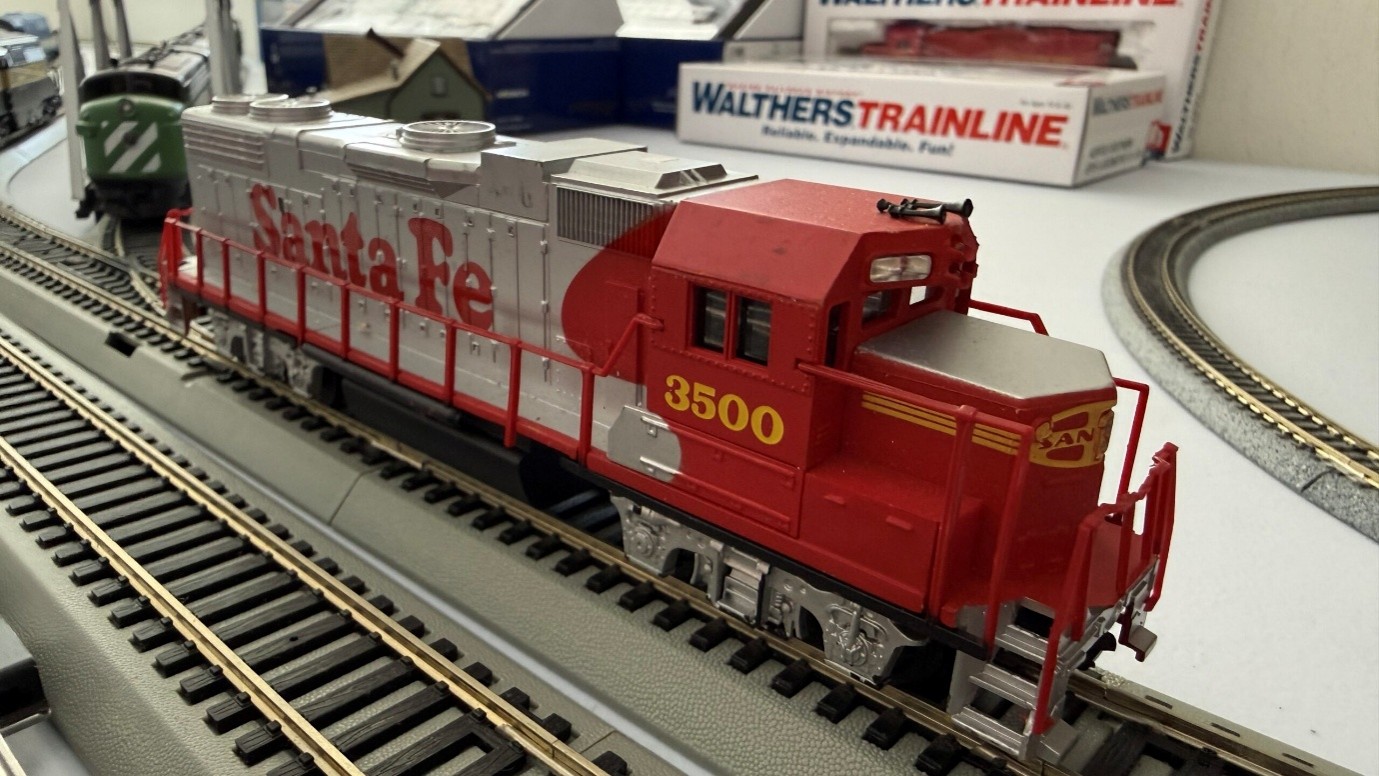
When looking for ready-to-run holiday packages, a Bachmann Christmas train set offers an accessible entry point with everything included in a single box. These complete packages contain track pieces, a power supply, a detailed steam or diesel locomotive, and themed rolling stock like cabooses and boxcars.
Selecting quality components from proven manufacturers ensures smooth operation without constant derailments or electrical dropouts:
- Snap-Fit Track: Roadbed track systems keep rail connections tight, even when assembled over carpet or hardwood floors.
- Die-Cast Locomotives: Metal engine frames add weight, improving traction and preventing wheels from slipping under load.
- Metal Wheels & Couplers: Upgrading from plastic to metal wheelsets keeps rolling stock grounded and ensures smooth rolling without magnetic disconnects.
- Expandable Layouts: Look for brands that offer matching track packs so you can expand your layout into figures-of-eight or double loops in future years.
Setting Up Your Holiday Track for Smooth Running
Placing a train directly on thick shag carpet can push dust, lint, and loose fibers into the delicate motor gears and axles. Always assemble your track on a firm base, such as a wood board, a seasonal felt mat, or a low-pile tree skirt over hard flooring. Ensure every rail joint snaps together flush so electrical current flows around the entire loop without dead spots.
Cleaning the top of the metal rails with a microfiber cloth and rubbing alcohol before operating removes factory oils and dust. Keeping your track clean prevents flickering headlights and jerky motor movement, letting your locomotive pull passenger cars smoothly night after night throughout the holiday season.
Start Your Holiday Tradition Today
Setting up a personal rail layout under the tree creates cherished memories that last far past the holiday season. With the right mix of scale, sturdy trackwork, and reliable power control, your setup will run reliably year after year.
At BYMRR, we stock high-quality locomotives, track components, structures, and scenery supplies to help you build the precise layout you envision. Explore our full collection of train equipment and reach out to our team today for friendly guidance on picking the perfect holiday layout components!
Frequently Asked Questions
What should I do if my locomotive keeps derailing on track curves?
Derailments usually happen due to uneven rail joiners or curves that are too tight for the locomotive's length. Check each track connection with your finger to ensure smooth alignment, and make sure your curve radius matches your train's minimum operational requirements.
How do I stop my train headlight from flickering during operation?
Flickering lights indicate oil, dust, or oxidation on the rail tops or locomotive wheels. Clean the top of the track and wheel rims with isopropyl alcohol using a lint-free cloth. Ensure rail joiners fit snugly to maintain continuous electrical contact.
Are vintage metal trains compatible with modern plastic roadbed track sets?
Not always. Older three-rail O-scale trains work on traditional tubular tracks, while modern two-rail DC or DCC systems require matched track gauges and power systems. Check power requirements before placing vintage engines on modern digital tracks.
How much power does a typical holiday train layout consume?
Standard starter train transformers use very little electricity, drawing around 15 to 30 watts during operation. That is roughly equivalent to a single standard LED household bulb, keeping operational costs negligible even when running every evening throughout December.