A model railroad should do more than send a train around the same loop. Our model train layouts for sale are built around the idea that a layout should give you something to operate, not just something nice to look at. A good layout gives your trains a reason to move. Freight cars can serve industries, locomotives can switch cars, yards can sort trains, and schedules can give each run a purpose.
That idea sits at the heart of what we do at BYMRR. We look at model railroading as a hands-on hobby where the track, locomotive, railcars, buildings, scenery, and controls all work together. Our store brings together products for N Scale, HO Scale, and O Scale layouts, along with locomotives, railcars, tracks, structures, scenery materials, wiring, electronics, and other layout supplies.
What makes an operating layout different?
A display layout can look great from across the room. An operating layout gives you something to do once the first train starts moving.
We design our approach around realistic railroad activity. A local freight train might leave a yard with several cars, stop at an industry, pick up an empty car, and return with a different consist. Passenger trains can follow schedules while another train waits for a clear route.
That difference changes how you think about the layout.
You are not simply asking, “Where should the track go?” You are also asking:
- What will the train do? Give each train a useful job.
- Where will cars go? Add industries, yards, sidings, or terminals.
- How will trains interact? Plan passing points, switches, and operating routes.
- How will I control everything? Choose DC, DCC, or another suitable control setup.
DCC can be especially useful for operation-based layouts because it allows individual locomotives to be controlled on the same powered track. The National Model Railroad Association describes DCC as a standard that helps compatible products work together across manufacturers.
Model train layouts for sale should have a purpose
A layout can have mountains, bridges, industries, stations, roads, and detailed scenery, yet still feel empty if trains have no clear jobs.
We prefer layouts where the scenery supports the railroad operation. An industrial building can become a destination for boxcars. A grain facility can give covered hoppers a reason to move. A yard can become the place where cars are sorted before another train takes them farther down the line.
That approach also makes the layout more interesting over time. You can create different operating sessions instead of repeating one train movement.
A beginner can start with simple switching. An experienced hobbyist can add car cards, schedules, multiple trains, dispatching, and more complex routes.
What should you check before choosing a layout?
A finished or custom-built layout should fit the way you actually plan to use it. Size is only one part of the decision.
Think about these points before choosing a layout:
- Available space: Measure the room, doorway, stairs, and access areas before selecting a large layout.
- Scale: N Scale works well for larger scenes in smaller spaces, while HO offers a strong balance of size, detail, and available equipment. O Scale gives you a larger physical presence.
- Operation: Decide if you want continuous running, switching, yard work, passenger service, or a mix.
- Power: Check the control system and confirm that your locomotives and accessories are suitable for it.
- Access: Track, wiring, turnouts, and scenery should remain serviceable after installation.
- Future plans: Leave room for upgrades if you expect the railroad to grow.
Our store carries products across N, HO, and O Scale, with locomotives, rolling stock, track, structures, scenery, electronics, and other layout components.
Choosing the right scale and train power
Scale affects much more than the size of the train.
N Scale is useful for hobbyists who want longer runs and larger scenes without needing as much bench space. HO Scale offers a popular middle ground with a wide selection of locomotives, cars, structures, and accessories. O Scale provides larger trains and a strong visual presence.
Power is another key choice. Traditional DC can be a good fit for simple layouts. DCC offers more control for layouts with several locomotives and operating moves.
Track quality deserves attention too. Poor electrical contact or badly aligned track can turn a good operating session into repeated troubleshooting. The NMRA maintains standards covering areas such as trackwork, wheels, electrical systems, and DCC.
Building realistic freight and switching moves
Freight operation can give a layout a simple story. Picture a locomotive leaving the yard with four cars. The first stop needs a boxcar. The second needs a hopper. Another siding has an empty car waiting for pickup.
Suddenly, the train has a job. Switching also gives you a reason to slow down and pay attention to the railroad. You have to line the turnout, position the locomotive, couple cars, place cars on the correct track, and build the next train.
That kind of operation can keep a layout interesting long after the scenery is finished.
Our inventory supports these scenes with railcars, locomotives, track, structures, scenery, wiring, electronics, and layout details.
A model steam locomotive needs the right layout
A model steam locomotive can be one of the most enjoyable pieces of a railroad, but the locomotive should suit the layout rather than simply look good on a product page.
Large steam locomotives need curves, clearances, turnouts, and operating space that match their size. Smaller steam engines may fit better on compact layouts with tighter curves.
The same thinking applies to rolling stock. Long passenger cars or modern freight cars can behave differently from shorter cars on sharp curves and compact track plans.
We carry steam and diesel locomotives across several scales, including DCC, DCC-ready, DC, battery-powered, and sound-equipped options.
Small details can make operations feel real
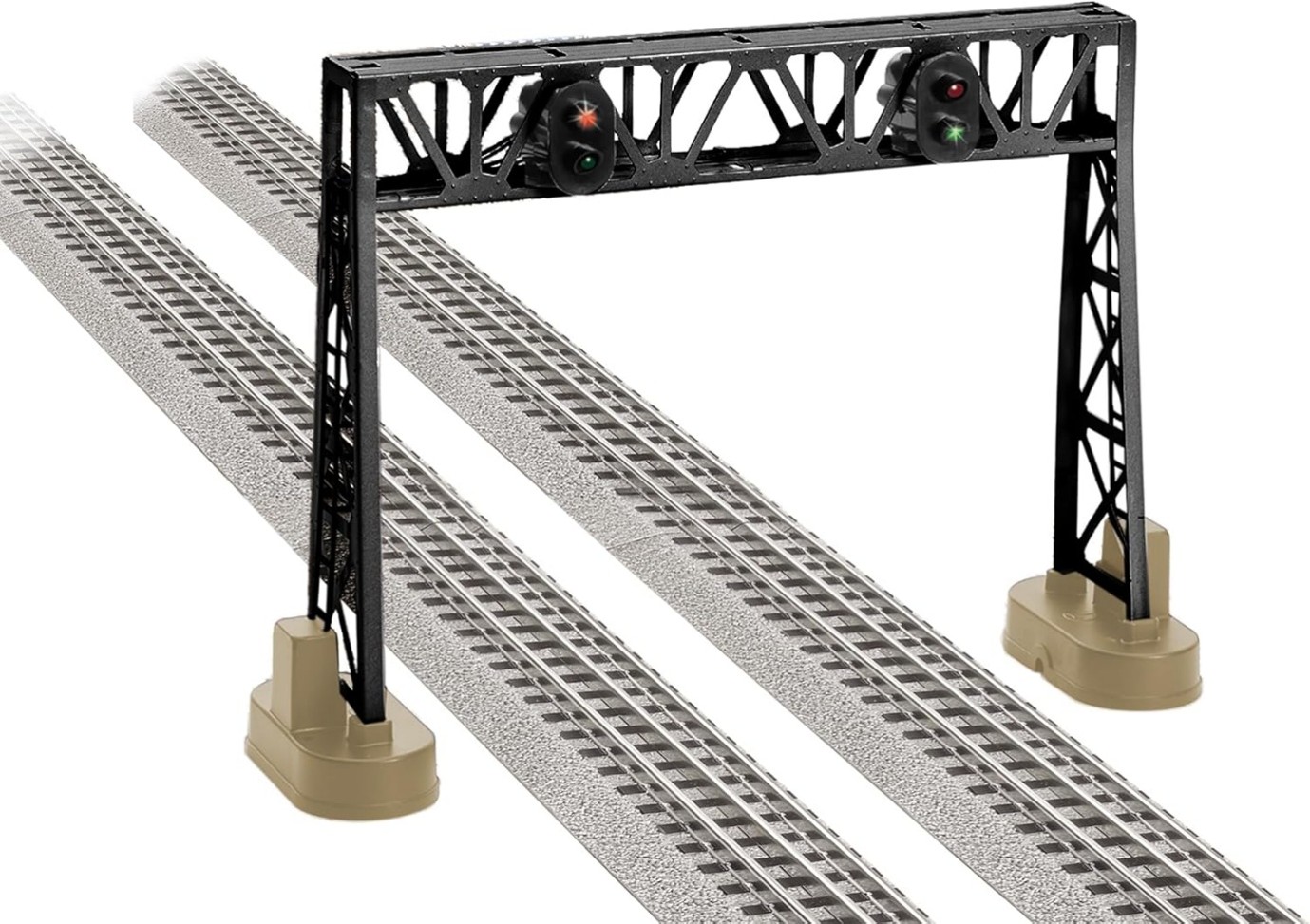
Scenery does more than fill empty space. A loading dock tells you where a boxcar belongs. A water tower gives a steam-era scene another useful detail. A signal tower can support the story of a busy railroad. Vehicles, figures, signs, buildings, and weathering can make an industrial area feel like an active place.
Good scenery also helps define operating areas. A yard should look and function like a yard. An industry should have room for cars to arrive and leave. A station should connect naturally with its track and surrounding scene.
Our layout materials and structures are selected with these practical uses in mind.
Ready to put your railroad to work?
A model railroad does not need to be enormous to feel like a real railroad. It needs sensible track planning, reliable operation, suitable equipment, and enough variety to keep you interested.
We can help you think through those choices before you start buying pieces at random. Look at the space you have, decide what kind of railroad you want to operate, then build around that idea.
At BYMRR, we offer the locomotives, railcars, track, structures, scenery materials, electronics, parts, and other supplies needed to shape an operating railroad. Our bespoke layout building service can also help hobbyists who want to move past the heavy construction work and get closer to running trains.
Start with the railroad you want to operate, not just the train you want to buy.Browse BYMRR, look at the available layout options and components, and contact us when you are ready to turn your plan into a working model railroad.
Five Questions Model Railroaders Often Ask
Should I choose DC or DCC for an operating layout?
DC can work well for simple layouts with limited locomotive control needs. DCC offers more individual control, which can help when several locomotives operate on the same track. Your locomotive collection and future plans should guide the choice.
How do I know if a locomotive fits my track plan?
Check the locomotive’s recommended minimum radius, track compatibility, scale, and clearance requirements. Long locomotives need suitable curves and turnouts. Checking these details before purchase can prevent operating problems after the layout is installed.
Can I add more industries after my layout is built?
Yes, provided the track plan leaves suitable space and access. Extra industries can add new switching jobs, car movements, and operating sessions. Planning spare sidings or connection points early can make future additions much easier.
What makes a layout fun after the scenery is finished?
A clear operating purpose keeps the hobby active. Switching assignments, freight destinations, passenger schedules, yard movements, and different train consists can create fresh sessions. The best layouts give you a reason to run the railroad again.